
Concerned over skyrocketing prices of onion due to supply scare in the market, government on Monday decided to import onions from China and Pakistan to tide over the crisis.

The National Agricultural Cooperative Marketing Federation of India Ltd has decided to actively trade in imported edible oils after failing to procure sufficient quantity of mustard seeds from the domestic market due to high price.
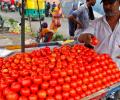
The Centre on Monday directed cooperatives NCCF and NAFED to sell tomatoes at a reduced rate of Rs 50 per kilogram from Tuesday in view of the decline in prices in the wholesale markets. Since July, both NCCF and NAFED have been selling tomatoes at a discounted rate on behalf of the consumer affairs ministry in Delhi-NCR, Uttar Pradesh, Rajasthan and Bihar to boost domestic availability and contain price rise. Initially, the ministry had asked the two cooperatives to sell tomatoes at a subsidised rate of Rs 90 per kg and later reduced the price to Rs 80 per kg. Further, the price was cut to Rs 70 per kg.

The Centre on Friday said it will sell 'Bharat Rice' in the retail market at Rs 29 per kg from next week to give relief to the common man and has also directed traders to disclose rice/paddy stock, as part of its efforts to control prices that have risen by around 15 per cent in the last one year. In a press conference, Union Food Secretary Sanjeev Chopra exuded confidence that these two measures along with the various restrictions of exports will help in cooling down the prices. Seeking to dispel market rumours, he categorically said the government has no plans to lift restrictions on rice exports any time soon.
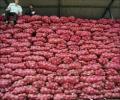
To give relief to Delhiites, the National Agricultural Cooperative Marketing Federation of India Ltd has started selling onions at Rs 55 a kg through its five retail outlets and two mobile vans in the national capital.

Speaking to reporters in Bengaluru on the sidelines of the Eighth National Conference on Krishi Vigyan Kendras 2013, Pawar also ruled out the possibility of traders exporting onions to other countries where prices are less than India.
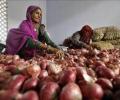
Govt floated import tender, allowed import without fumigation.

Loan against gold as a product is catching on fast. Let's keep the momentum going, but aim for sustainable growth. A few bad apples should not ruin the brunch, argues Tamal Bandyopadhyay.

FTIL prepares to challenge the order in the Bombay high court

The interim free trade agreement between India and Australia will come into force on Thursday, providing duty-free access to thousands of domestic goods such as textiles, and leather in the Australian market. The agreement will help almost double the bilateral commerce to $45-50 billion in around five years, according to exporters and industry players. The Economic Cooperation and Trade Agreement (ECTA), which was signed on April 2, would provide duty-free access to Indian exporters of over 6,000 broad sectors, including textiles, leather, furniture, jewellery and machinery in the Australian market.

The two countries also asked all nations to stop cross-border movement of terrorists and asserted that a decisive collective response from the international community without 'double standards and selectivity' was required to combat the threat of terrorism.

Camel milk is an excellent source of iron and protein when compared to cow milk. It also has high Vitamin B3 and good probiotics. With the variety of nutrients camel milk has, experts feel it should be labelled a superfood.
